Tokenomics
How the tokens actually work. What gets burned, what gets diluted, what gets ignored.

Staking for Inference: Morpheus vs NEAR vs Venice
Three networks let you stake a token and draw AI inference from it. Two pay the compute bill by printing; Venice pays it out of revenue. Which model survives the taper, and why the peg decides it.
Akash vs Golem: The Value Capture Question
Akash and Golem are the two veteran decentralised compute marketplaces. One captures the value it routes through a burn; the other charges 0% and captures nothing. How AKT and GLM compare on revenue, value accrual and decentralisation.
Nosana vs io.net: Two Solana GPU DePINs Compared
Nosana and io.net are both Solana GPU networks for AI, and both pay hosts in a token. One has a smaller, on-chain-verified, inference-only marketplace; the other is bigger but self-reported and emission-funded. How NOS and IO compare.
Venice vs Morpheus vs Sentient: Private AI, Three Ways
Venice, Morpheus and Sentient compared on private inference: which is built, which is decentralised, and which just has the biggest cheque.
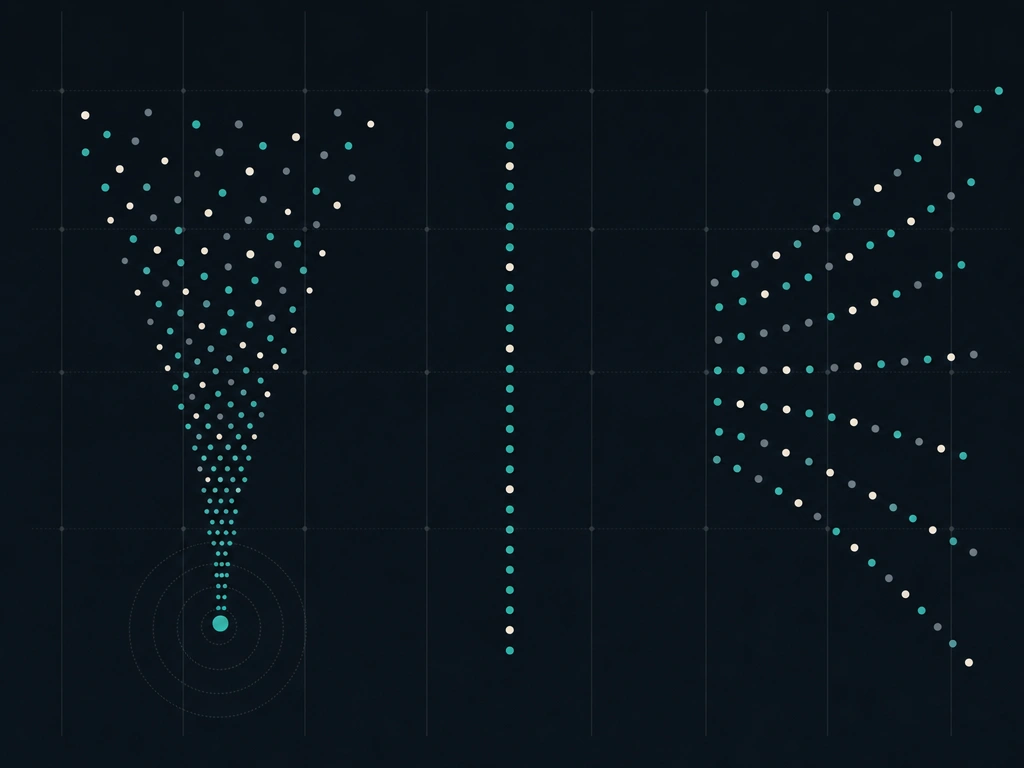
How Compute Networks Turn Usage Into Token Value, and Why Morpheus Doesn't Burn
Decentralised compute networks turn usage into token value three ways: burn-mint (Akash, Render), dollar-target payouts with buybacks (io.net), and capital-funded subsidy with no compute burn (Morpheus). Why Morpheus is the outlier, and the burn it could add without losing free inference.
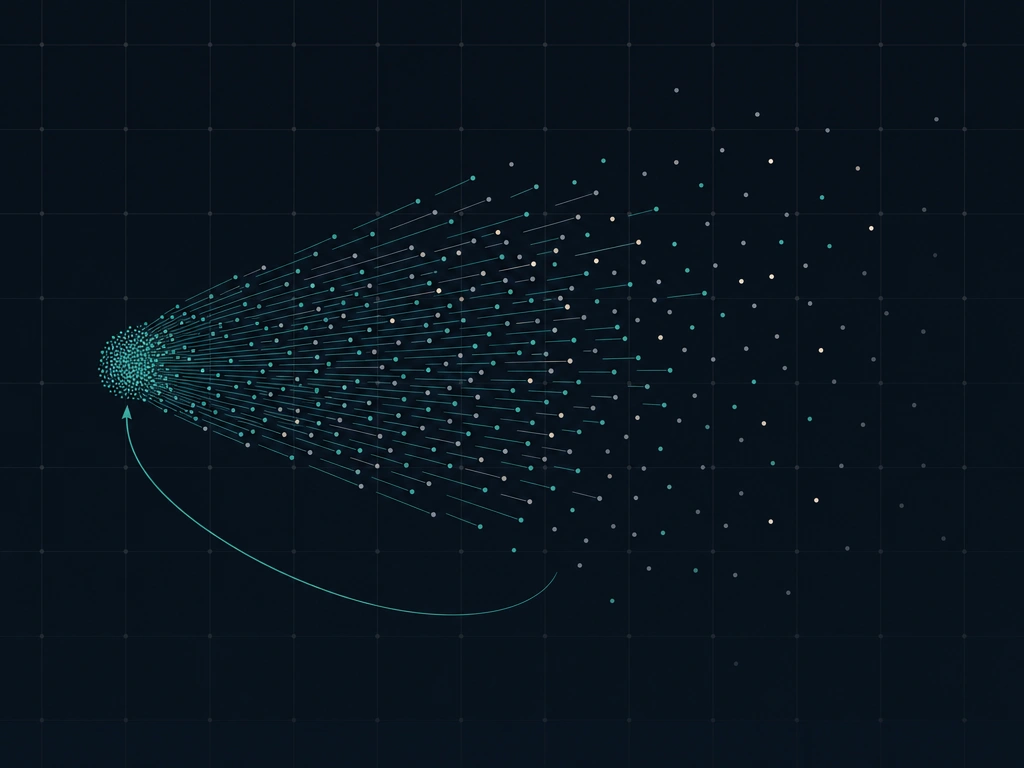
How Morpheus Pays for Inference
Morpheus pays inference providers from the 24% compute emission, not from what users spend. A trace of who pays, who earns, and whether it holds, with live on-chain session data from our own indexer.
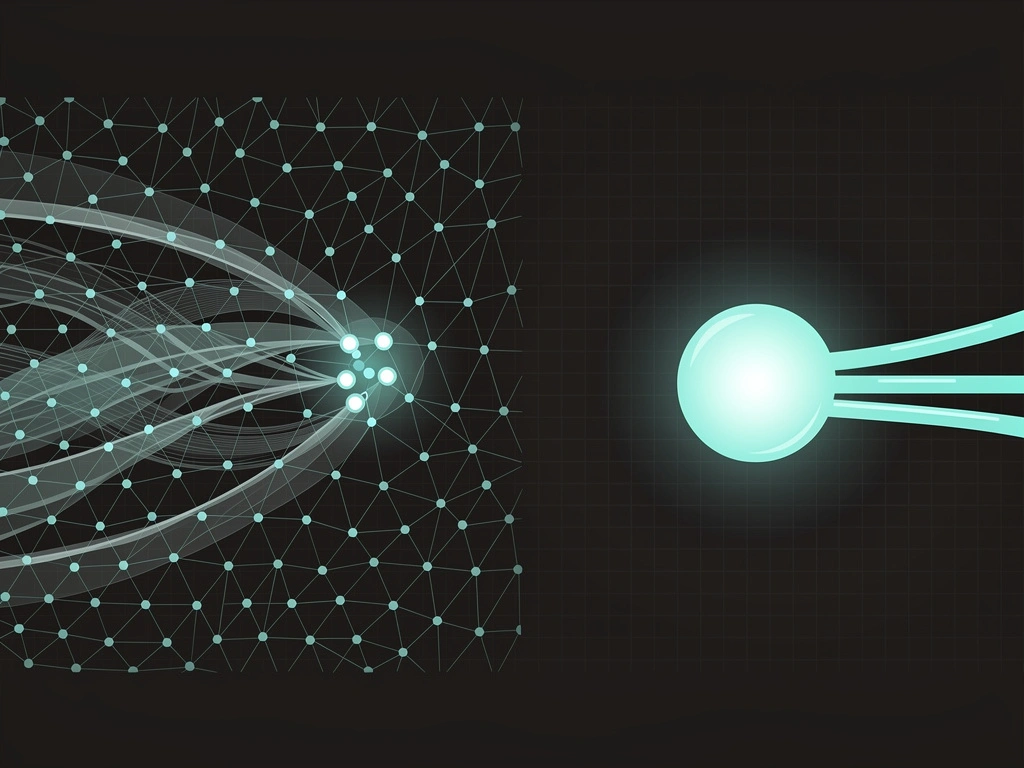
Morpheus Builder Subnets Are Gitcoin Grants for Decentralised AI
Morpheus builder subnets are a public goods funding mechanism with the same design DNA as Gitcoin Grants. The three reasons people stake MOR (yield, access, conviction), what each does to the token's long-term value, and the Gitcoin protections that keep the healthy paths dominant.

How Morpheus Builder Subnets Work
Morpheus builder subnets give operators the full pillar emission and let them compete on what to offer back. Three live case studies plus an auto-updating top 10 ranking by MOR staked.

Lium: Closing the Subsidy Gap on Bittensor
Lium runs Bittensor subnet 51 with a subsidy ratio roughly an order of magnitude below Chutes. $432K/month in rental revenue against a far larger TAO emission subsidy. The 60% miner burn, the unverified customer base, and what would close the gap.
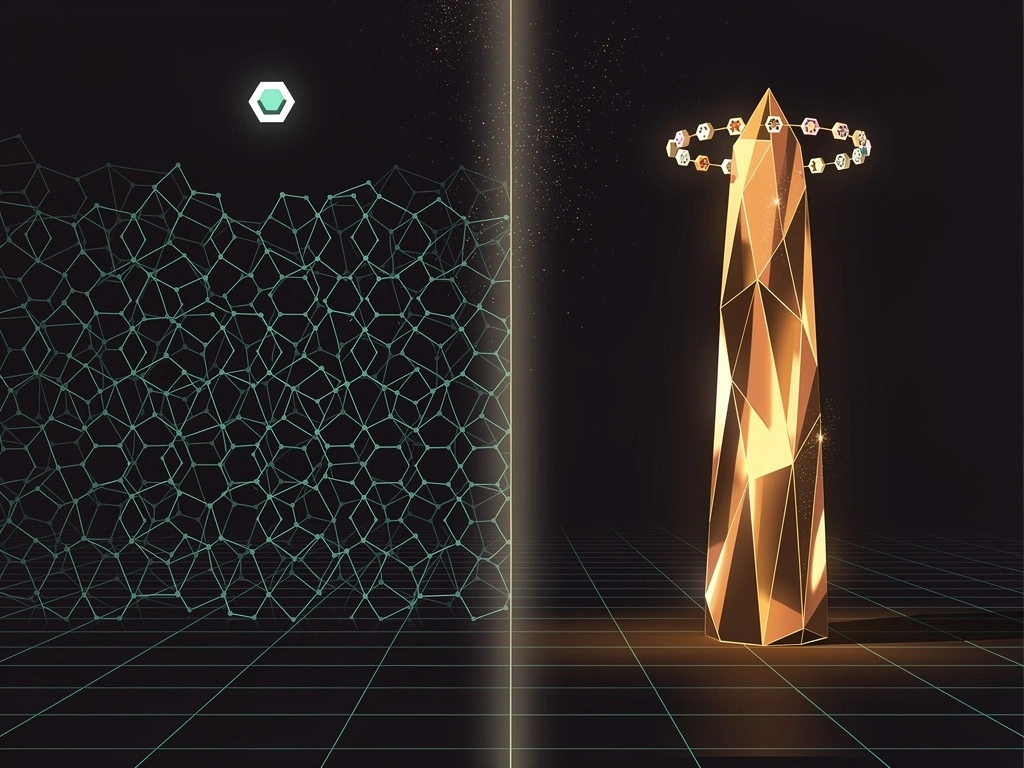
ElizaOS vs Virtuals: When the Framework Wins and the Token Doesn't
ElizaOS built the open-source AI agent codebase other projects wish they had and a token nobody can value. Virtuals built strong token mechanics on a centralised inference engine. Same agent category, opposite trade-offs.
Chutes: Bittensor's Revenue Machine, Subsidised
Chutes is Bittensor's largest-revenue subnet (SN64). $1.3-2.4M verified ARR against a far larger TAO emission subsidy. The OpenRouter contradiction explained.

Targon: Confidential Compute on Bittensor, with Intel
Targon is the only Bittensor subnet with a co-authored Intel research paper and a $10.5M OSS Capital Series A. The technical story holds up. The customer story is weaker than the marketing suggests.
Templar's Exit: What Covenant Leaving Bittensor Actually Means
Covenant AI built the largest decentralised pre-training run in history, then walked away from Bittensor over governance. The technical achievement, the exit, and what it means for Bittensor's permissionless story.
DIEM: How Venice Turned Staking into Perpetual AI Credit
How DIEM works on Venice. Lock sVVV in escrow, mint DIEM on an exponential curve, stake for $1/day inference credit. The formula, the maths, and the centralisation risks.

Bittensor Subnets: Where the Revenue Actually Is
Most Bittensor subnets farm emissions. A handful earn revenue from paying customers. Which TAO subnets are profitable, which are subsidised, and how to tell the difference. Updated April 2026 with Covenant-72B, Intel-Targon, Grayscale GTAO.

ASI Alliance: What the Merged Tokenomics Actually Mean
FET, AGIX, and CUDOS merged into one token. What each holder got, how the merged supply works, and why Ocean's lawsuit and exit changes the investment case.
Bittensor Subnet Economics: How dTAO Actually Works
Dynamic TAO replaced political voting with market-driven emissions. Alpha tokens, AMM pools, price-based allocation, and what subnet economics mean for TAO holders and operators.

Bittensor Halving: What TAO Holders Need to Know
Bittensor's first halving happened in December 2025. What changed for TAO holders, how dTAO interacts with reduced emissions, and whether the Bitcoin playbook applies.

Burn-Mint Equilibrium: What Actually Changes for AKT Holders
Akash activated BME on 23 March 2026. How the burn mechanism works, what it means for AKT stakers and inflation, and whether it makes the token deflationary.

RENDER vs AKT vs IO vs ATH: The Revenue Question
Render, Akash, io.net and Aethir compared on revenue and decentralisation. On-chain data shows why the highest returns come with the least freedom.

MOR vs TAO vs FET: Token Models Compared
Bittensor vs Fetch vs Morpheus: how TAO, FET/ASI and MOR compare on insider allocation, value accrual and actual decentralisation.
How MOR Actually Works
A capital provider's breakdown of Morpheus token economics. Emission schedules, staking mechanics, the Power Factor multiplier, and what the numbers actually mean if you're deploying capital.